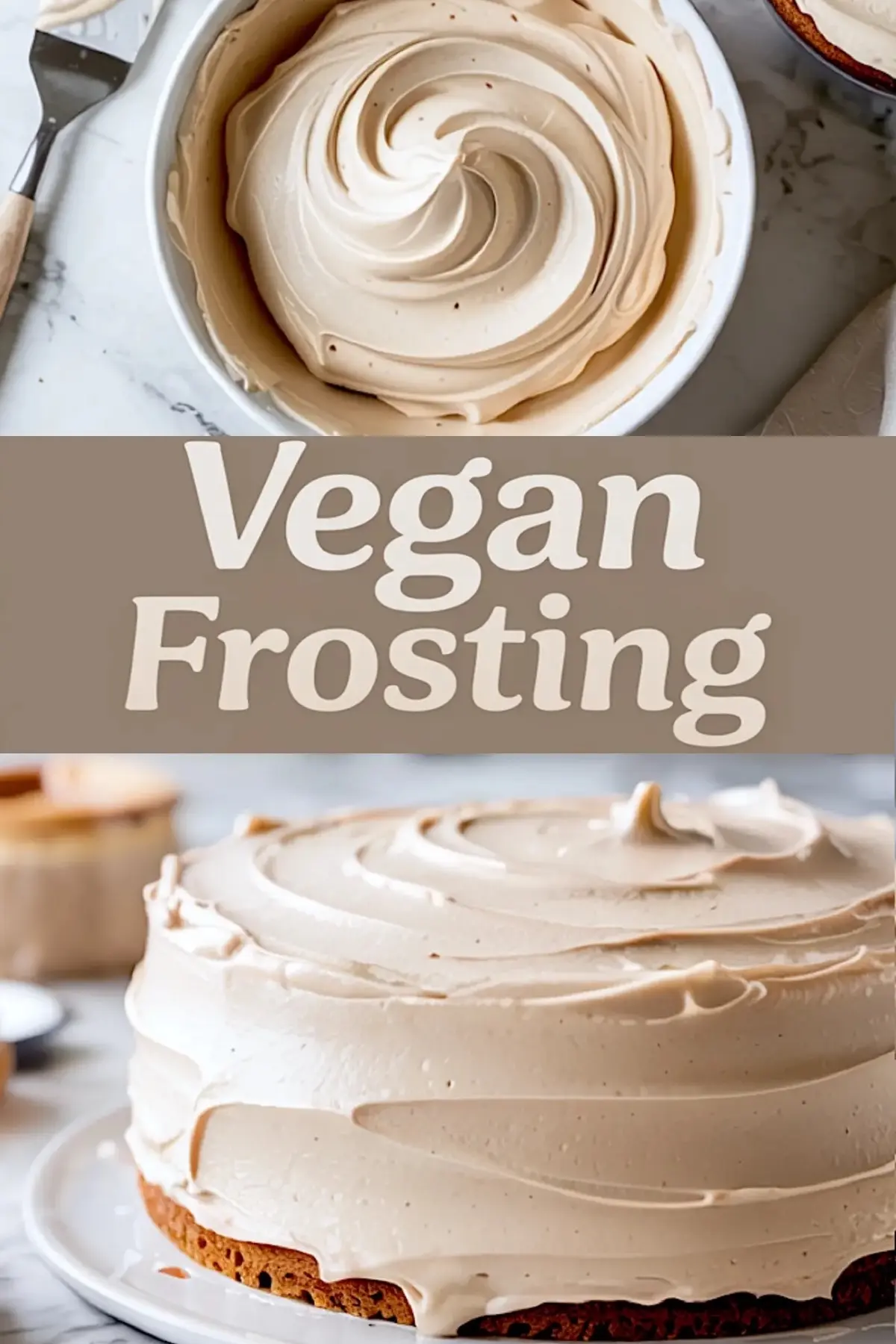
Unlock the Secrets to Stable & Fluffy Vegan Buttercream Frosting
For years, the phrase "vegan frosting" often conjured images of overly sweet, sometimes gritty, and frequently unstable concoctions. But the landscape of dairy-free baking has evolved dramatically. Today, achieving a perfectly smooth, lusciously fluffy, and robustly stable vegan frosting that pipes clean lines and holds its shape is not just a dream – it’s an achievable reality. This article dives deep into the art and science behind crafting an impeccable aquafaba-based buttercream, a recipe that doesn't compromise on taste, texture, or performance.
Gone are the days of apologetic desserts. This modern approach to Master Stable Vegan Frosting: Tips for Perfect Dairy-Free Texture delivers a finish comparable to traditional buttercream, boasting a clean vanilla flavor and a structure that behaves beautifully on cakes, cupcakes, and cookies. We'll explore the foundational ingredients and techniques that transform simple pantry staples into a show-stopping dairy-free delight, providing a reliable recipe that has been tested dozens of times for consistent, trustworthy results.
Aquafaba: The Whipped Wonder for Unbeatable Stability
At the heart of this revolutionary vegan frosting lies aquafaba – the liquid drained from canned chickpeas. Often discarded, this humble ingredient is a game-changer, mimicking the properties of egg whites without the need for dairy or heavy shortenings. When whipped correctly, aquafaba transforms into a voluminous, airy foam, providing the essential lift and structure that makes this buttercream so remarkably stable.
Mastering the Aquafaba Whip
- Choose Wisely: Not all aquafaba is created equal. For the most consistent and reliable results, opt for chickpeas packed in no-salt-added water. The presence of salt can interfere with the whipping process, leading to less stable peaks.
- Whip to Perfection: Patience is key here. You'll need to whip the aquafaba in a stand mixer for a full five to seven minutes. Don't stop until you achieve firm, glossy peaks that resemble a cloud-like meringue. This extended whipping time is crucial; it incorporates enough air to create a stable foundation that can support the fat and sugar to come.
- The Goldilocks Zone: Under-whipped aquafaba will result in a fragile frosting that quickly breaks and becomes soupy. Conversely, over-whipping can cause the foam to collapse, losing its airy structure. Look for that sweet spot: tall, defined peaks that hold their shape when the whisk is lifted.
- Stand Mixer Advantage: While a hand mixer can work, a stand mixer is highly recommended for aquafaba. Its continuous, powerful action ensures sufficient aeration and allows you to attend to other steps without manual fatigue.
- Storage Solution: Don't let leftover aquafaba go to waste! Store it in an airtight container in the refrigerator for up to three days. Labeling with the date will help you keep track and streamline future baking sessions.
The magical transformation of aquafaba is due to its unique composition of proteins, carbohydrates, and saponins, which are excellent emulsifiers and foaming agents. This whipped base is the cornerstone of your stable vegan frosting; get this right, and the rest of the process flows smoothly.
The Butter Matters: Choosing Your Vegan Fat Wisely
While aquafaba provides the lift, vegan butter is the workhorse, contributing richness, flavor, and much of the structural integrity of your buttercream. But just like aquafaba, not all vegan butters are created equal, and your choice can significantly impact the final consistency and stability of your vegan frosting.
Brand & Temperature: Non-Negotiables
- Sticks Over Spreads: For a firm, stable Vegan Butter Guide: Best Brands for Stable Dairy-Free Frosting, prioritize cold, firm block-style vegan butter sticks over softer, margarine-style tubs. Block butters typically have a higher fat content and a firmer texture, which is essential for holding the frosting's shape.
- Earth Balance vs. Miyoko's: My testing shows specific differences:
- Earth Balance Sticks: Offer superior stability at room temperature, making them ideal for cakes that need to be displayed, transported, or left out for a period.
- Miyoko's Cultured Butter: Delivers a richer, more nuanced flavor that many prefer, though it tends to soften quicker. It's fantastic for cupcakes or desserts served fresh.
- COLD Butter is Crucial: This is perhaps the most critical rule. Your vegan butter MUST be cold, straight from the fridge, and cut into small cubes. Room temperature butter will soften too quickly when mixed, leading to a broken, soupy frosting that lacks structure. If at any point your mixture seems too soft, or the butter appears to be melting, chill the entire mixing bowl in the refrigerator for five to ten minutes before continuing.
- Salt Sense: Many vegan butters come in both salted and unsalted varieties. If you opt for salted vegan butter, remember to omit any additional pinch of salt from your recipe to avoid over-salting your delicate buttercream.
The fat content and specific oil blends in different vegan butters dictate their melting points and how they interact with the whipped aquafaba. By using cold, firm butter, you ensure it incorporates slowly, stiffening the aquafaba foam and creating that coveted stable texture.
Powdered Sugar: More Than Just Sweetness
While powdered sugar (also known as confectioners' sugar or icing sugar) is the primary sweetener in buttercream, its role extends far beyond taste. It's a critical component for achieving the desired texture, contributing to both the frosting's stiffness and its melt-in-your-mouth smoothness.
The Art of Sifting
- Twice is Nice: To guarantee a lump-free, silky smooth vegan frosting, you must sift your powdered sugar not once, but twice. The first sift should occur before measuring, ensuring accurate quantities and removing any large clumps. The second sift happens directly into your mixing bowl, preventing small lumps from forming during the mixing process.
- Preventing Grittiness: Un-sifted powdered sugar is the leading cause of gritty buttercream. The fine powder incorporates seamlessly, dissolving more readily and contributing to that luxurious, smooth mouthfeel.
- Starch Content Variations: Be aware that different brands of powdered sugar can vary in their starch content (often cornstarch or tapioca starch, added to prevent caking). A higher starch content can sometimes lead to a slightly thicker frosting. If your frosting feels too stiff, you might need to adjust by adding a tiny bit more aquafaba or plant milk.
The fine particles of powdered sugar absorb moisture from the butter and aquafaba, helping to stabilize the emulsion and create a firm, yet yielding, consistency. This is why careful measurement and thorough sifting are non-negotiable for a truly professional-grade vegan frosting.
Troubleshooting & Perfecting Your Vegan Frosting
Even with the best intentions, baking can sometimes throw a curveball. Knowing how to troubleshoot common issues will empower you to create perfect vegan frosting every time.
Common Challenges & Solutions
- Broken or Soupy Frosting: If your frosting appears curdled, separated, or too soft, it's usually due to butter that wasn't cold enough or was added too quickly. Don't panic!
- Solution 1 (Chill & Re-whip): Place the entire mixing bowl in the fridge for 15-20 minutes to thoroughly chill the ingredients. Once cold, re-whip the mixture on medium-high speed. The colder butter should firm up and emulsify properly with the aquafaba.
- Solution 2 (Add More Cold Butter): If chilling alone doesn't work, try adding another small cube of very cold vegan butter while whipping. This can sometimes help bring the emulsion back together.
- Too Stiff: If your frosting is too thick to pipe or spread smoothly, it might have too much powdered sugar or be too cold.
- Solution: Add a teaspoon of unwhipped aquafaba or a splash of unsweetened plant milk (such as soy or almond milk) at a time, mixing on low until the desired consistency is reached.
- Too Soft: If your frosting isn't holding its shape, it needs more structure.
- Solution: Gradually add more sifted powdered sugar, a tablespoon at a time, mixing thoroughly between additions until the frosting stiffens to your liking. If it's warm in your kitchen, a quick chill in the fridge can also work wonders.
Flavor Variations & Final Touches
Once you've mastered the vanilla base, the possibilities for flavoring your vegan frosting are endless:
- Chocolate: Melted and cooled high-quality vegan chocolate, or unsweetened cocoa powder, can be whipped in at the end.
- Fruit Purees: Reduced fruit purees (like raspberry or strawberry) can add natural color and flavor. Ensure they are thick and cooled to avoid adding too much moisture.
- Coffee: A teaspoon of espresso powder dissolved in a tiny bit of hot water adds a delightful coffee kick.
- Citrus: Zest from lemons, limes, or oranges can brighten the flavor profile.
This aquafaba-based vegan frosting is truly a marvel. By understanding the role of each ingredient and following these precise techniques, you can confidently create a dairy-free buttercream that rivals its traditional counterpart in stability, texture, and pure deliciousness. Your cakes and cupcakes will thank you!
