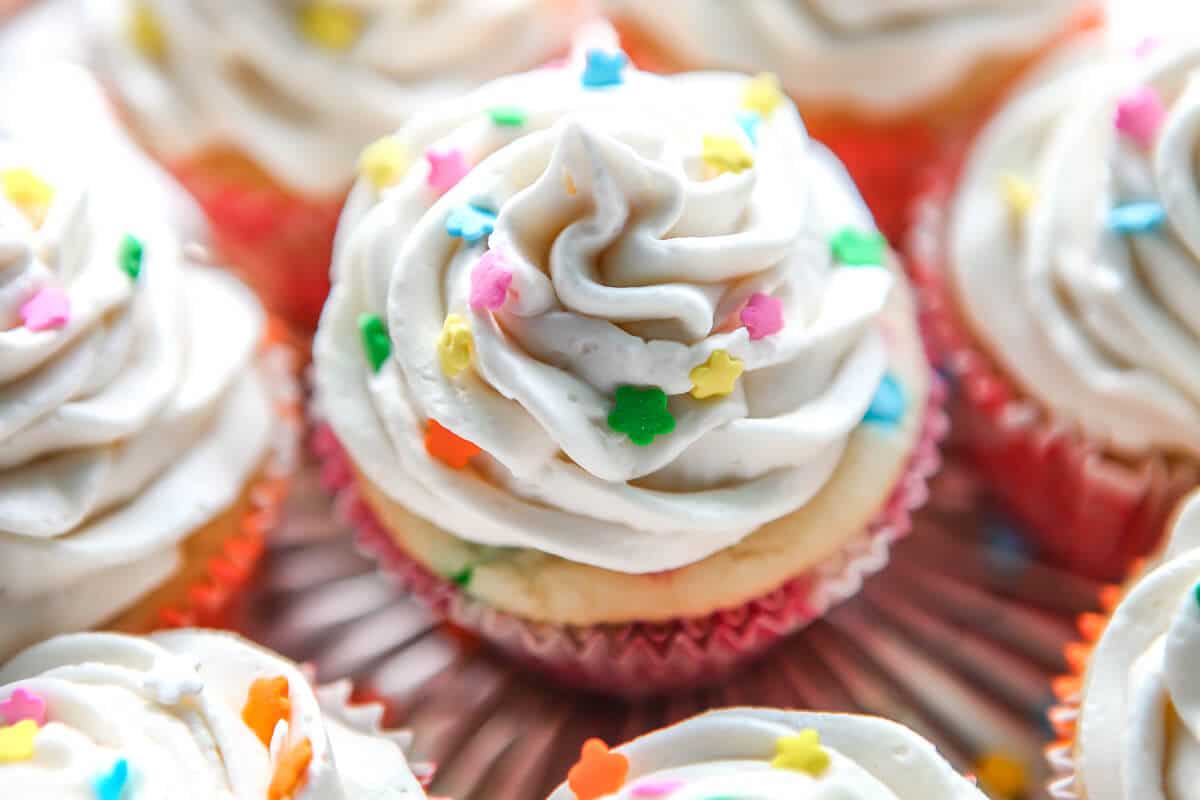
Mastering Dairy-Free Delights: Your Ultimate Vegan Butter Guide for Stable Frosting
The world of vegan baking has blossomed, and nowhere is this more evident than in the evolution of vegan frosting. Gone are the days of gritty, overly sweet, or temperamental dairy-free buttercreams that failed to hold their shape. Today, with the right ingredients and techniques, you can achieve a smooth, fluffy, and incredibly stable vegan frosting that pipes clean lines, maintains its structure at room temperature, and tastes every bit as indulgent as its traditional counterpart. The secret often lies in two key components: aquafaba and, crucially, the right vegan butter.
This comprehensive guide delves into the nuances of crafting perfect dairy-free frosting, with a special focus on selecting the best vegan butters to ensure your creations are not only delicious but also beautifully robust. We'll explore why certain brands outperform others for stability, how temperature plays a pivotal role, and offer insights to help you achieve bakery-quality results every time.
The Foundational Pillars: Aquafaba and its Role in Stable Vegan Frosting
Before we dive deep into butter selection, it's essential to understand the unsung hero of many modern stable vegan frosting recipes: aquafaba. This humble liquid, found in a can of chickpeas, is a true game-changer. It mimics the emulsifying and aerating properties of egg whites without any dairy, creating a light, voluminous base that doesn't compromise on structure.
Whipping Aquafaba to Perfection: The Key to Lift and Structure
When whipped, aquafaba transforms into a glossy, cloud-like meringue that provides unparalleled lift and stability. For the most consistent results, opt for unsalted chickpea brine. Salted versions can inhibit the whipping process, leading to less reliable peaks. Achieving firm, glossy peaks typically takes five to seven minutes in a stand mixer – don't stop until the texture is visibly thick and holds its shape.
Under-whipped aquafaba will result in a runny, unstable frosting that breaks easily. Conversely, over-whipping can cause it to collapse, losing its crucial airiness. A stand mixer is highly recommended for this task, as it provides the sustained power needed to build the tall, supportive peaks essential for anchoring the fat content of your frosting.
For more detailed insights into perfecting your aquafaba base, including troubleshooting tips and advanced techniques, be sure to check out our deep dive into Aquafaba Secrets: Stable & Fluffy Vegan Buttercream Frosting.
Tips for Optimal Aquafaba Performance
- Quality Matters: While most chickpea brands yield decent aquafaba, some perform better. Experiment to find your favorite. Organic, no-salt-added varieties are often preferred for their cleaner flavor profile and consistent whipping.
- Freshness is Key: Store leftover aquafaba in an airtight container in the fridge for up to three days. Labeling with the date will help you keep track.
- Temperature: Room temperature aquafaba tends to whip up faster and more reliably than cold aquafaba.
The Star Player: Choosing the Right Vegan Butter for Your Vegan Frosting
Once your aquafaba base is ready, the next critical ingredient is vegan butter. This is where many novice vegan bakers encounter challenges, as not all vegan butters are created equal, especially when it comes to the demands of a stable frosting.
Block vs. Tub: Why Firmness is Key
When selecting vegan butter for vegan frosting, the format matters immensely. Margarine-style spreads that come in tubs are generally too soft and contain too much water for stable buttercream. They often lead to a runny, greasy frosting that struggles to hold its shape.
For best results, always opt for stick-style block vegan butters. These tend to have a higher fat content and a firmer consistency, closer to traditional dairy butter. This rigidity is crucial for maintaining the structure of your whipped frosting, allowing it to pipe beautifully and resist wilting.
Brand Showdown: Earth Balance vs. Miyoko's and Beyond
Through extensive testing, certain brands consistently rise to the top for their performance in stable vegan frosting:
- Earth Balance Sticks: This widely available option is a workhorse for stable vegan buttercream. It's known for its excellent ability to hold shape, even at warmer room temperatures, making it ideal for cakes that need to be displayed, transported, or left out for a period. While its flavor is neutral, its structural integrity is unmatched for piping intricate designs.
- Miyoko's Kitchen Cultured Vegan Butter: Miyoko's offers a rich, slightly tangy, and deeply flavorful butter that closely mimics the taste of high-quality dairy butter. Its flavor profile is superior, adding a gourmet touch to your frosting. However, it tends to soften more quickly than Earth Balance, making it best suited for cupcakes or cakes that will be served fresh or kept chilled. If flavor is your top priority and stability for extended periods is less critical, Miyoko's is an excellent choice.
- Country Crock Plant Butter Sticks (Avocado Oil or Olive Oil): These are newer contenders that offer good stability and a neutral flavor, making them versatile. They tend to be firmer than Earth Balance and work well for piping.
- Melt Organic Vegan Butter: Another strong performer in stick form, Melt offers good firmness and a clean taste, contributing to stable frosting.
Pro Tip: Consider a blend! For the best of both worlds – superior stability and richer flavor – some bakers achieve excellent results by using a combination of Earth Balance (for structure) and Miyoko's (for flavor). Experiment with a 50/50 blend or adjust ratios to your preference.
The Crucial Role of Temperature
This cannot be stressed enough: your vegan butter must be cold. There is no negotiation on this point for stable vegan frosting. Room temperature butter, or butter that has even slightly softened, will cause your carefully whipped aquafaba structure to break down rapidly, resulting in a soupy, unstable mess.
Always cut your stick-style vegan butter into small cubes directly from the refrigerator. As you're mixing, if you notice the frosting becoming too soft or starting to look curdled, immediately chill the mixing bowl (with the contents) in the fridge for 5-10 minutes. This chilling process helps the fat solidify again, allowing you to resume whipping and achieve the desired consistency.
A Note on Salt Content
Most vegan butters come in salted varieties. If you're using a salted vegan butter, be sure to omit any additional pinch of salt that your vegan frosting recipe might call for. Over-salting can disrupt the flavor balance and, in some cases, slightly affect the texture. If you prefer more control, look for unsalted vegan butter alternatives, which are becoming more common.
Sweetness and Structure: The Power of Powdered Sugar
Powdered sugar (also known as confectioners' sugar or icing sugar) does more than just sweeten your vegan frosting; it plays a vital role in its texture and stability. Its fine particles, often combined with a small amount of cornstarch or tapioca starch, help to stiffen the mix and contribute to that coveted smooth, melt-in-your-mouth feel.
The Sifting Imperative
To avoid lumps and ensure a perfectly smooth finish, sifting your powdered sugar is non-negotiable. Many professional bakers recommend sifting it twice: once before measuring to ensure accuracy, and a second time directly into your mixing bowl. This aeration prevents clumping and ensures uniform integration, which is critical for a smooth, pipeable frosting.
Starch Content and its Impact
The starch content in powdered sugar can vary by brand. Some brands include more cornstarch than others, which can affect the final consistency of your frosting. If your frosting feels too soft, a higher-starch powdered sugar might help, or you can add a small amount of additional cornstarch directly to your frosting (a teaspoon at a time) to help thicken it, provided you mix it in thoroughly to avoid a starchy taste.
Beyond Buttercream: Other Vegan Frosting Variations
While vegan buttercream is incredibly popular, the versatility of vegan frosting extends far beyond. Inspired by the innovations of top vegan bakers, there's a world of dairy-free options for every dessert.
Chocolate Ganache and Peanut Butter Delights
For rich, decadent toppings, consider a simple vegan chocolate ganache, typically made with vegan chocolate and full-fat canned coconut milk. Or, for a quick and easy option, a fluffy vegan peanut butter frosting can be whipped up with just a few ingredients and minutes, perfect for brownies or chocolate cakes.
Cream Cheese and Fruity Frostings
Vegan cream cheese frosting offers a tangy counterpoint, ideal for red velvet cakes or carrot cakes. And for those who love fresh, vibrant flavors, undetectable vegan strawberry frosting, bursting with natural fruit, can elevate any spring or summer dessert.
Achieving Your Perfect Vegan Frosting
Crafting the perfect stable vegan frosting is an art that combines precise technique with the right ingredients. By understanding the critical roles of aquafaba, the nuances of vegan butter selection, and the importance of proper sugar preparation, you're well on your way to creating stunning, delicious dairy-free desserts. Don't be afraid to experiment with different brands and ratios to find your personal sweet spot. With these tips and a little practice, your vegan cakes, cupcakes, and cookies will not only taste incredible but also look professionally decorated. For more advanced troubleshooting and to refine your techniques, explore our guide on Master Stable Vegan Frosting: Tips for Perfect Dairy-Free Texture.
