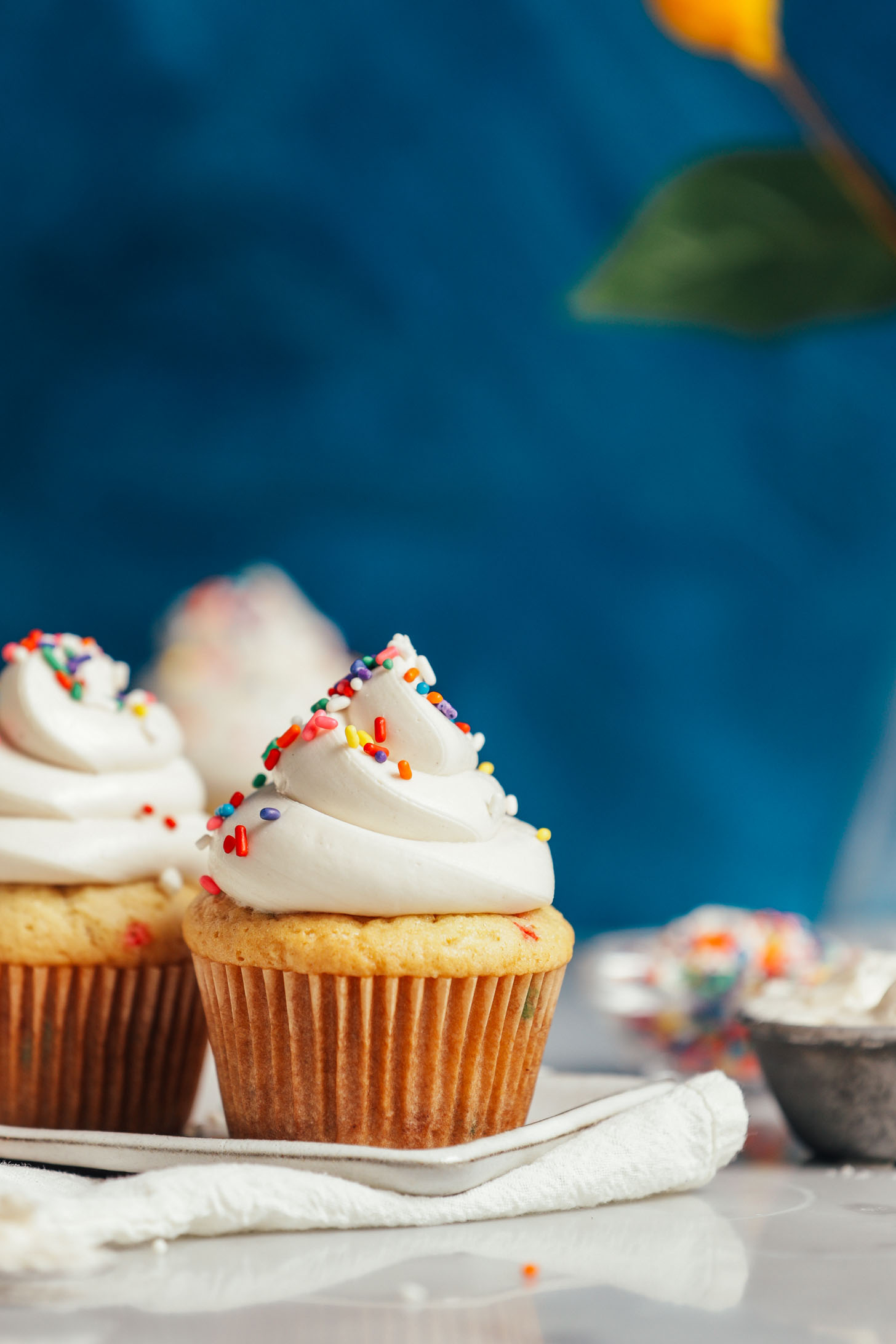
Mastering Stable Vegan Frosting: Your Guide to Dairy-Free Perfection
Gone are the days when vegan frosting was synonymous with gritty textures, overly sweet profiles, or a frustrating lack of stability. Today's dairy-free buttercream has evolved into a culinary marvel, capable of piping intricate designs, holding its shape beautifully at room temperature, and delivering a smooth, fluffy finish with exquisite flavor. Whether you're decorating an elaborate layer cake, delicate cupcakes, or festive cookies, achieving a stable and delicious vegan frosting is entirely within reach. This comprehensive guide will equip you with the knowledge and techniques to create perfect dairy-free buttercream every time, transforming your baking with confidence and flair.
The secret to a truly exceptional vegan frosting lies in understanding its foundational components and how they interact. Unlike traditional buttercreams that rely on egg whites or dairy butter for structure, vegan versions ingeniously leverage plant-based ingredients to mimic—and often surpass—their conventional counterparts. We'll dive deep into the roles of aquafaba, vegan butter, and powdered sugar, providing practical tips and expert insights to ensure your frosting is not just dairy-free, but dazzlingly delicious and perfectly stable.
The Unsung Hero: Aquafaba for Unrivaled Stability
At the heart of many stable vegan frosting recipes is aquafaba, the viscous liquid typically drained from canned chickpeas. This remarkable ingredient is nothing short of a vegan miracle, performing the same structural magic as egg whites without the heaviness of dairy or the need for shortening. When whipped, aquaba develops volume and a robust structure that forms the essential airy base of your buttercream.
For the most consistent and reliable results, always opt for aquafaba from no-salt-added canned chickpeas. Salted versions can inhibit proper whipping, leading to an unreliable base. The key is patience and persistence during the whipping stage. Using a stand mixer is highly recommended, as it allows for continuous, high-speed whipping. You'll need to whip the aquafaba for a full five to seven minutes, sometimes even longer, until it transforms into firm, glossy, cloud-like peaks. This is not a step to rush; an under-whipped aquafaba base will cause your frosting to break and lose its structure, while over-whipping can lead to collapse. The proteins in aquafaba, much like those in egg whites, denature and form a stable network when air is incorporated, trapping it to create a light, voluminous foam.
This base is truly the backbone of your frosting. If it's not perfect, the entire frosting will suffer. For a deeper dive into this incredible ingredient and its precise handling, explore our detailed guide on Aquafaba Secrets: Stable & Fluffy Vegan Buttercream Frosting. If you have leftover aquafaba, don't discard it! Store it in a labeled jar in the fridge for up to three days, ready for your next baking adventure.
The Foundation of Flavor & Form: Choosing the Right Vegan Butter
The choice of vegan butter is paramount to the success and stability of your vegan frosting. Not all vegan butters are created equal, and their varying compositions can dramatically impact the final texture and hold of your buttercream. For a stable frosting that pipes beautifully and resists melting, cold, firm, block-style vegan butters are your best allies.
Margarine-style spreads, while convenient for toast, often have a higher water content and softer texture that will compromise the structural integrity of your frosting. Stick-style block butters, conversely, typically contain less water and a higher fat content, making them ideal for creating a tight, stable structure.
Through extensive testing, brands like Earth Balance sticks and Miyoko's Cultured Vegan Butter Blocks emerge as top contenders, each with distinct advantages. Earth Balance tends to offer superior stability, holding its shape longer at room temperature—a crucial factor if your cake will be on display or traveling. Miyoko's, on the other hand, often provides a richer, more nuanced flavor profile, though it may soften a bit quicker. For cupcakes or desserts served immediately, Miyoko's can be a delightful choice, while Earth Balance excels for more demanding applications. Understanding these nuances is key to selecting the best butter for your specific needs, as detailed further in our Vegan Butter Guide: Best Brands for Stable Dairy-Free Frosting.
Critically, your vegan butter must be cold. This is non-negotiable. Room temperature butter will soften too quickly, leading to a broken, soupy frosting. Always cut your stick butter into small cubes straight from the fridge. If, during the mixing process, you notice your frosting beginning to soften excessively, don't hesitate to chill your mixing bowl (with the contents) in the refrigerator for five to ten minutes to firm things back up before continuing. Lastly, if you opt for a salted vegan butter, remember to omit any additional salt specified in the recipe to avoid an overly saline result.
Sweetness & Structure: The Power of Powdered Sugar
Powdered sugar, also known as confectioners' sugar, is more than just a sweetener in vegan frosting; it's a vital structural component. Its fine particles not only dissolve smoothly to give your frosting a luxurious mouthfeel but also absorb moisture and stiffen the mixture, contributing significantly to its overall stability and ability to hold its shape.
The single most important step when incorporating powdered sugar is sifting, and often, sifting twice is even better. The first sift should occur before you measure, ensuring an accurate quantity. The second sift should happen directly as you add it to your mixing bowl. This crucial step prevents lumps, which can ruin the smooth texture of your frosting and leave unpleasant grainy bits. Skipping this step is a common pitfall that often leads to an inferior final product.
Be aware that different brands of powdered sugar can vary in their starch content (most contain cornstarch to prevent caking). If your frosting feels too soft, it might be due to a brand with less starch, or simply needing more sugar overall. Conversely, too much starch can make your frosting overly stiff. Always add powdered sugar gradually, especially when troubleshooting, until you achieve the desired consistency. This allows you to adjust the sweetness and thickness incrementally, ensuring a perfectly balanced and stable vegan frosting.
Common Pitfalls and How to Master Them
Even with the best intentions and ingredients, sometimes things don't go exactly as planned. Here are some common troubleshooting scenarios you might encounter with vegan frosting and how to confidently fix them:
-
Frosting is too thin or "broken": This is often due to butter that was too warm, under-whipped aquafaba, or insufficient powdered sugar.
- Solution: If the butter seems to be the culprit, chill the entire mixing bowl in the fridge for 10-15 minutes, then resume mixing. If the aquafaba was likely under-whipped, you might try adding a small amount (1-2 tablespoons) of additional firm, cold vegan butter and whipping on medium-high speed to help re-emulsify. Gradually add more sifted powdered sugar, a quarter cup at a time, until the desired thickness is achieved.
-
Gritty texture: Almost always a sign of unsifted or insufficiently sifted powdered sugar.
- Solution: Continue mixing on medium speed for an extended period (5-10 minutes). The sheer force of the mixer can sometimes break down smaller lumps. For future batches, always double-sift!
-
Overly sweet: While some sweetness is inherent, an overpowering sugary taste can detract from other flavors.
- Solution: A pinch of salt (if not using salted butter) can help balance the sweetness. A tiny splash of lemon juice or even a touch of cream of tartar added during the aquafaba whipping phase can introduce a subtle tartness that cuts through the sweetness beautifully.
-
Melts too fast: This usually points to warm ingredients, especially the vegan butter, or a less stable butter brand.
- Solution: Ensure all your ingredients, particularly the vegan butter, are adequately cold at the start. If you know your environment will be warm, opt for a more stable butter brand like Earth Balance. You can also incorporate a tablespoon of arrowroot powder or cornstarch with your powdered sugar to add a little extra structural insurance. Chilling your decorated items before serving can also buy you more time.
Beyond Buttercream: Exploring Other Dairy-Free Delights
While this guide focuses on mastering stable vegan buttercream, the world of dairy-free frosting is vast and exciting! Once you've perfected your buttercream technique, you might venture into other delectable options. Imagine a rich, glossy vegan chocolate ganache frosting, perfect for cakes and quick breads, achieved with just a few simple ingredients. Or perhaps a light and airy fluffy vegan peanut butter frosting, requiring only three ingredients and five minutes to whip up. For those craving tangy notes, an undetectably vegan cream cheese frosting offers the perfect complement to carrot cakes or red velvet. There are even innovative recipes for naturally dyed and naturally sweetened options, showcasing the incredible versatility of plant-based ingredients. Each offers a unique texture and flavor profile, proving that dairy-free doesn't mean compromise—it means delicious innovation.
Conclusion
Creating stable, delicious, and beautifully textured vegan frosting is no longer a challenge but an art form within reach for every home baker. By understanding the critical roles of aquafaba, cold block-style vegan butter, and properly sifted powdered sugar, you gain the power to craft dairy-free masterpieces that rival traditional buttercreams. Remember to embrace patience during the aquafaba whipping, be selective with your vegan butter, and always sift your sugar. With these tips and a little practice, your vegan cakes, cupcakes, and cookies will not only look professional but taste absolutely divine, proving that plant-based baking truly knows no bounds.
